Understanding the pain points
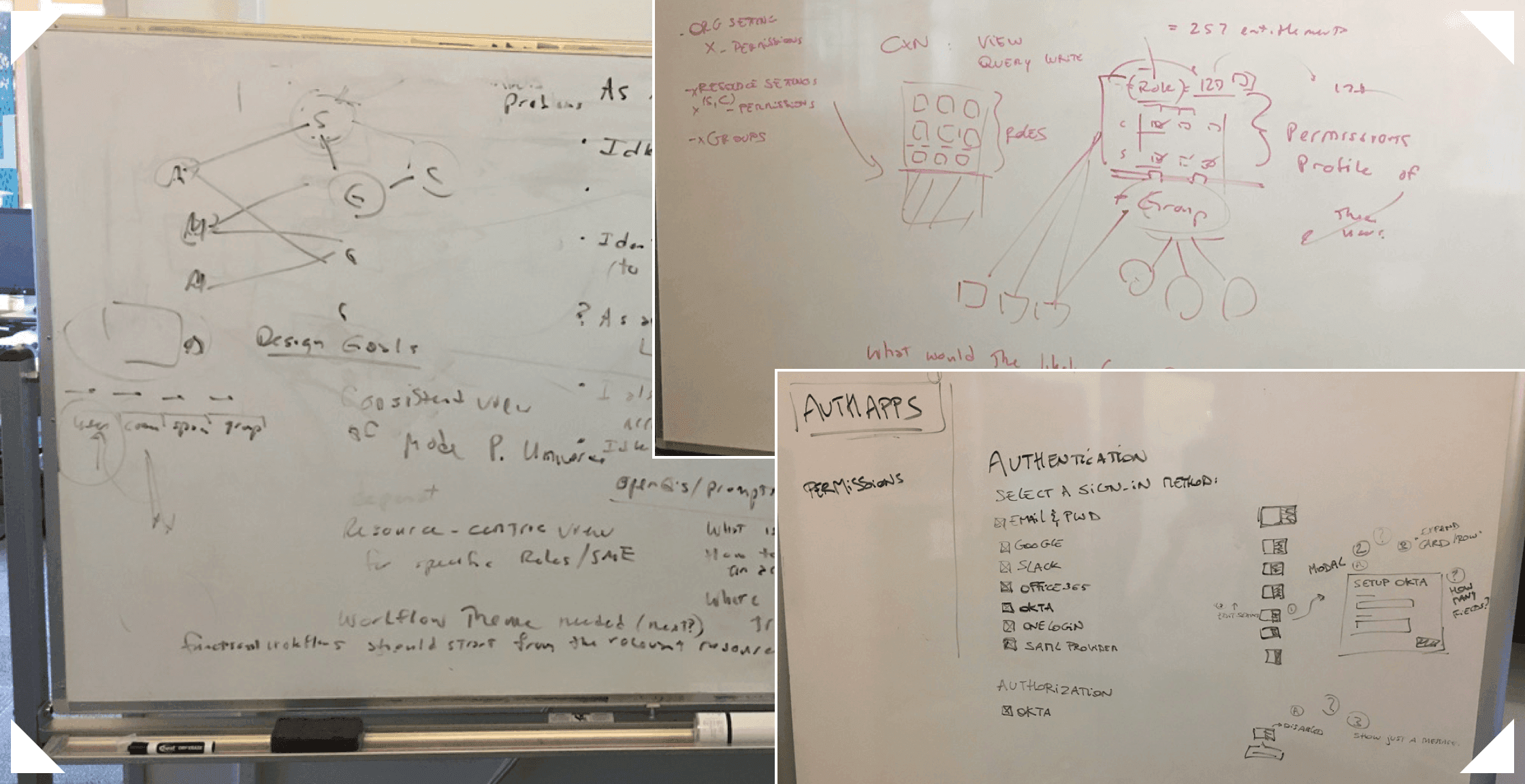
The first step was for the whole product and design teams to understand the growing pains of our customers as they kept adding more users with different profiles into Mode. We did a series of phone and video interviews to identify the key concerns.
Getting familiar with the space
Due to the fundamental nature of the problem, it exists a lot of solutions, and more importantly, integrations to solve it. We decided to go with the service provider Okta as it currently is the dominant player in terms of identity management. We also did an audit of all the ways users could sign in the app and identify any vulnerability or improvements. I was constantly thrown a lot of acronyms such as SAML, SCIM, and SSO. A big part of my job was to untangle their purpose, summarizing how they affected our solution, and leveraging their advantages.
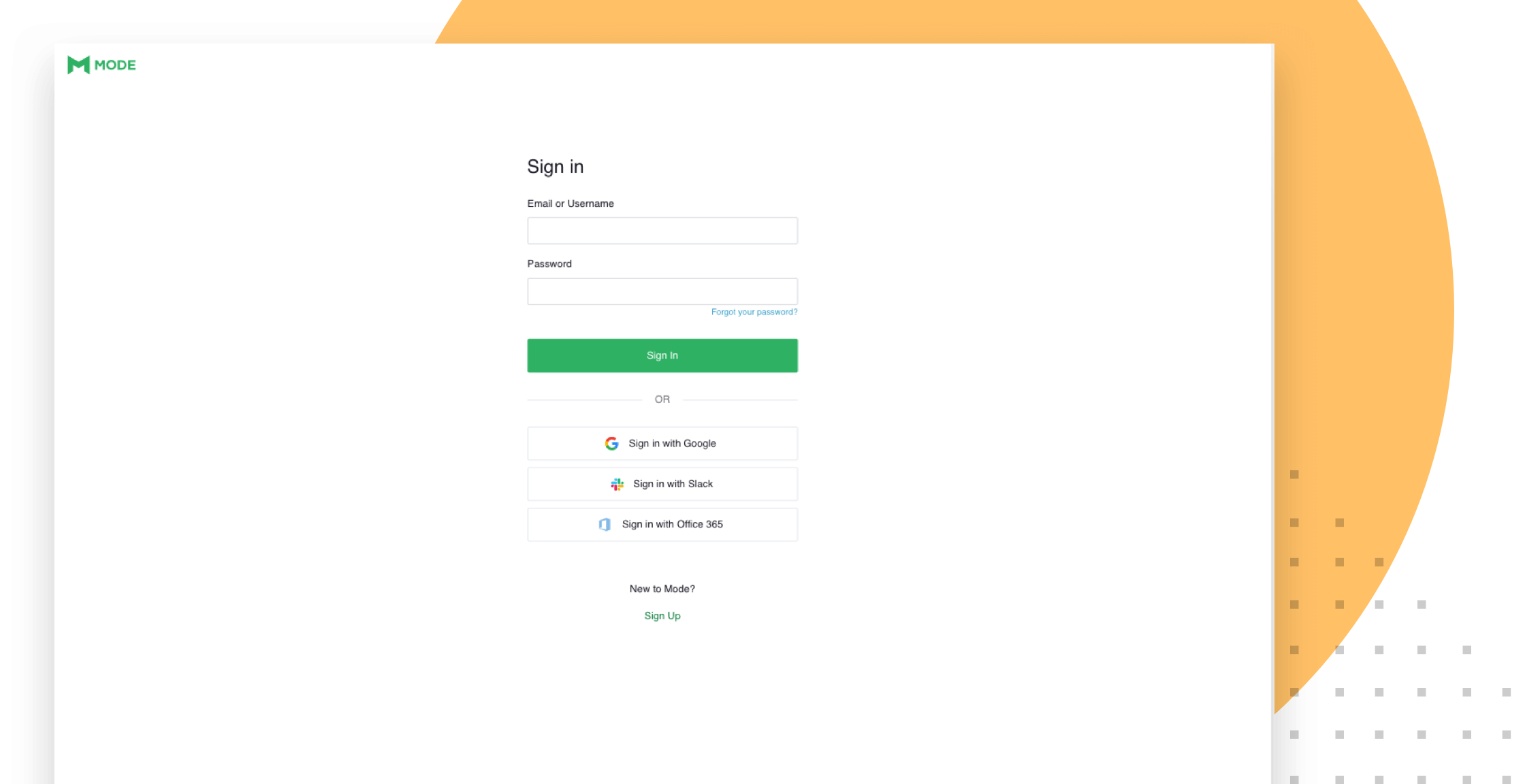
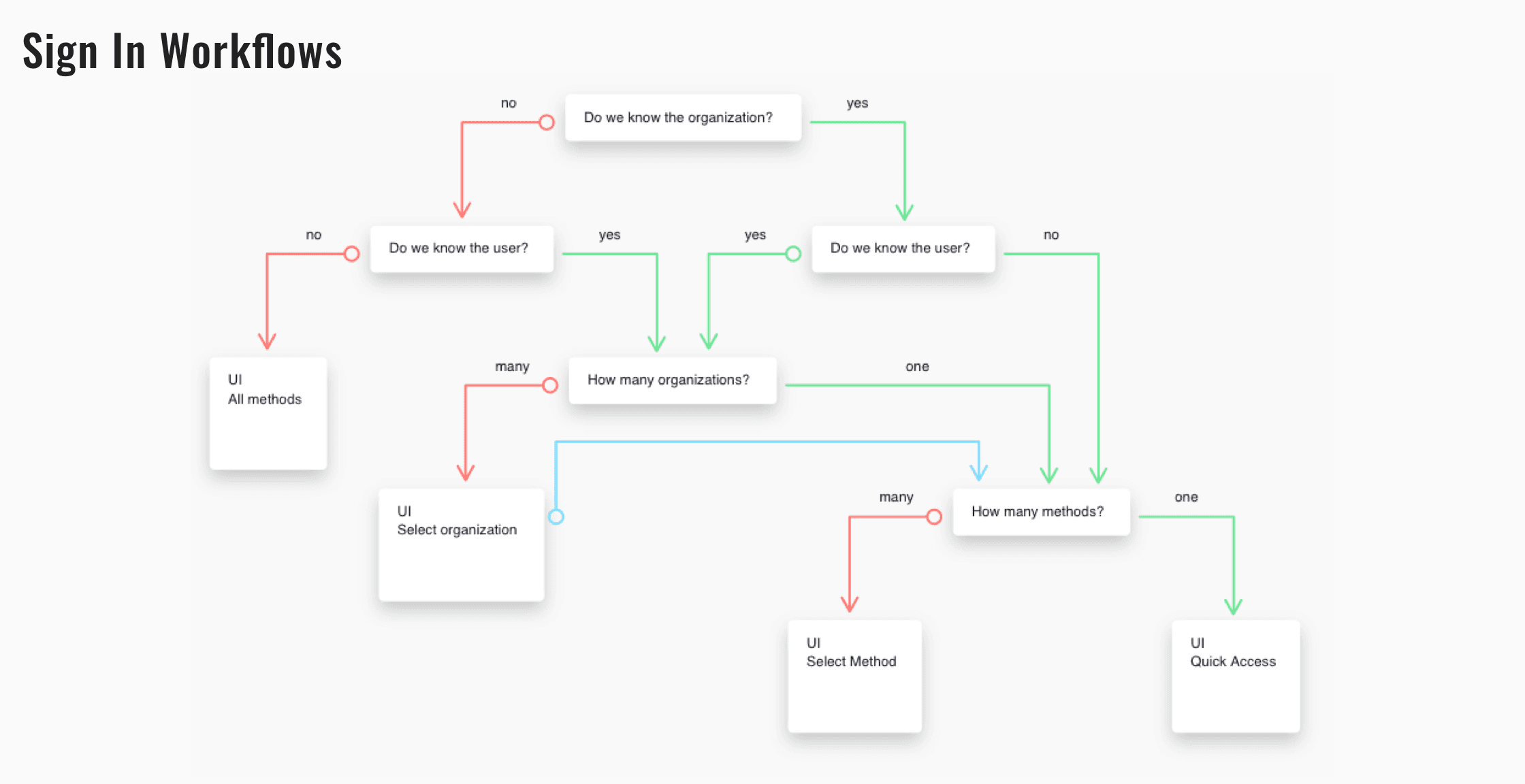
A seamless sign in experience
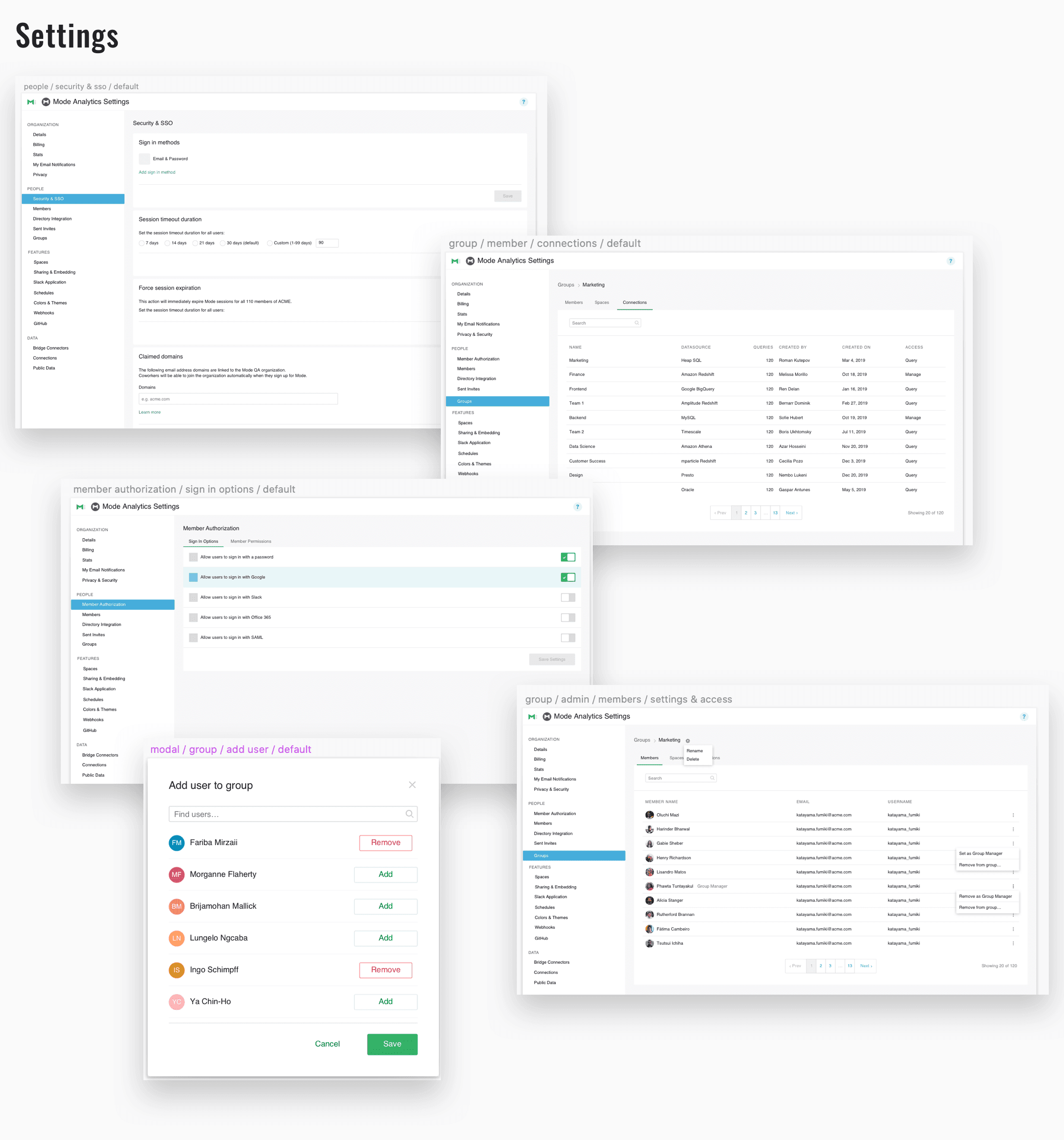
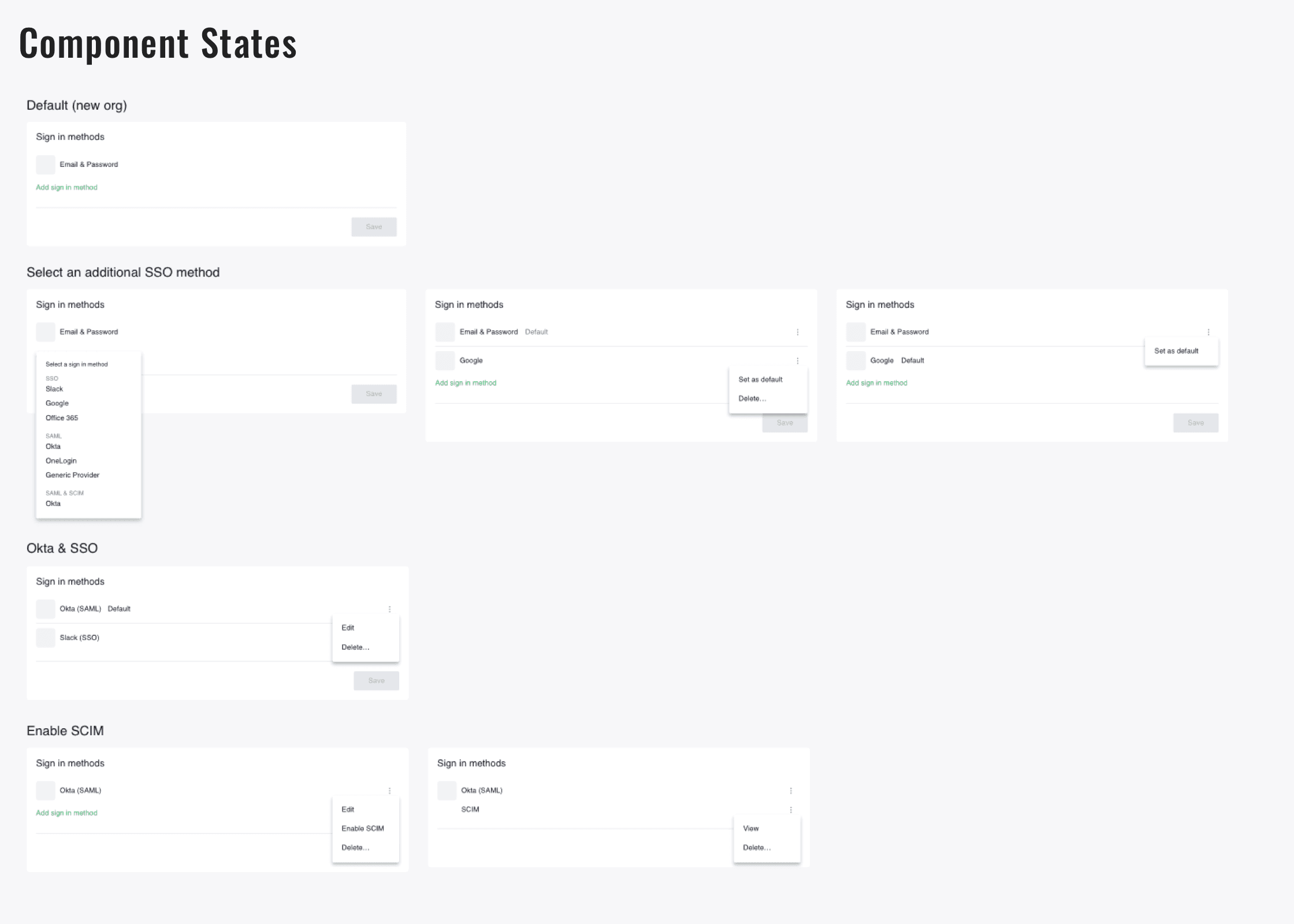
At the end of my work, I defined a series of milestones for the product and engineering teams to build progressively the desired sign in experience. The changes impacted the end-user experience, as well as the administrator settings, who would be able to customize the parameters based on their company's policy.
Full control on users access
The most challenging part was to define an architecture and a lexicon for the whole company to adapt. So that everyone would understand complex concepts the same way across departments. For instance, talking about our reports, spaces, and data connections as resources, and users and teams as actors. This aspect of the project was planned for months and designed in a flexible way to take into account other initiatives running in parallels.